











We carry out innovative research while providing world-renowned resilience tools and resources.
Led by Dr. Michael Ungar, the Resilience Research Centre has collaborated with local, national and international institutions for more than 15 years to carry out innovative research that explores pathways to resilience across cultures. That work focuses on explaining how children, youth and adults thrive in family, school, workplace and community settings under stress. The Centre also provides resilience measurement tools and training in the form of workshops and conferences. Through its partnerships with researchers, policymakers and clinicians around the globe, the Centre has built a world-renowned resource hub of resilience expertise and tools to support individuals and communities on their path to psychological, social, cultural and physical well-being.
Led by Dr. Michael Ungar, the Resilience Research Centre has collaborated with local, national and international institutions for more than 15 years to carry out innovative research that explores pathways to resilience across cultures. That work focuses on explaining how children, youth and adults thrive in family, school, workplace and community settings under stress. The Centre also provides resilience measurement tools and training in the form of workshops and conferences. Through its partnerships with researchers, policymakers and clinicians around the globe, the Centre has built a world-renowned resource hub of resilience expertise and tools to support individuals and communities on their path to psychological, social, cultural and physical well-being.
Self-report measures of social-ecological resilience, used by researchers and practitioners worldwide.
Learn More
A brief questionnaire tool that can be used to assess risk and protective factors for young people’s resilience to violent extremism.
Learn More
A brief and validated self-report measure of psychological or ‘internal’ resilience.
Learn More
A tool designed to help programs and organizations complete their own internal evaluation.
Learn More
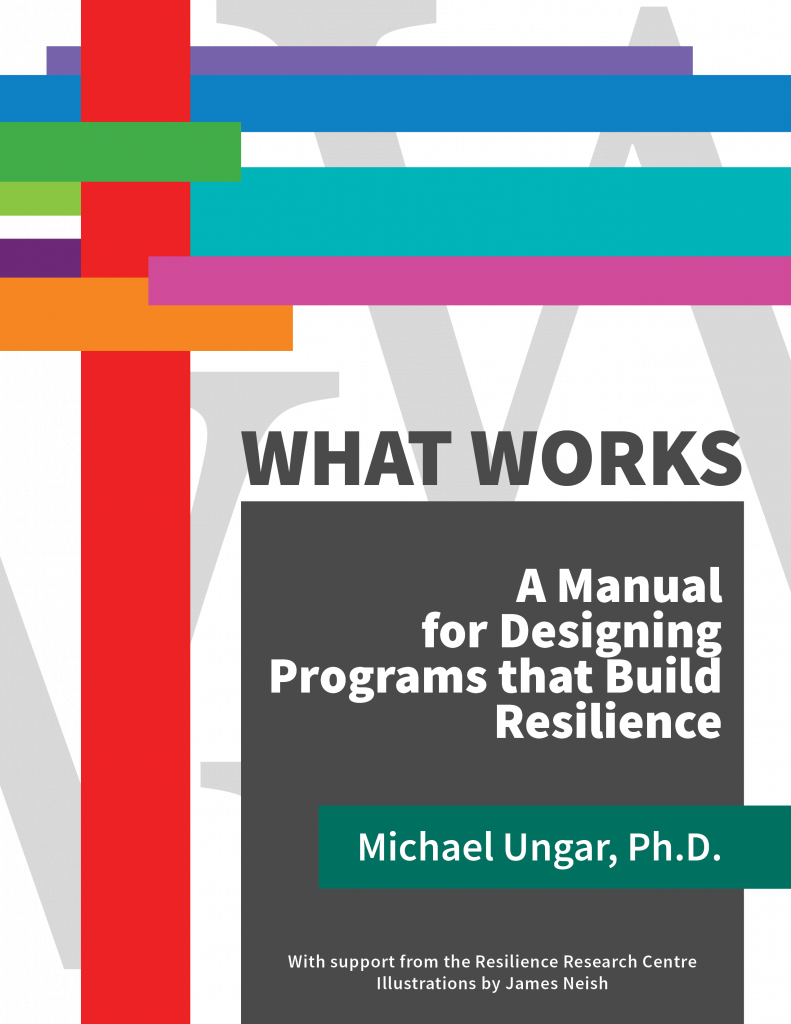
An easy-to-use guide that is ideal for anyone working with children and families in social service or humanitarian settings, as well as community facilitators, counselors, and policy makers. It includes plenty of case examples of programs in both low-and-middle-income countries (where financial and human resources are scarce) and high-income countries (where resources are easier to find but problems can still be very complex).
R2 is a program built on promising practices that have been shown to enhance wellbeing among individuals experiencing stress and adversity. It integrates the principles of a social ecological approach to resilience developed by Dr. Michael Ungar and his colleagues from all around the world who are part of the Resilience Research Centre.
The Resilience Research Centre has carried out numerous local, national and international evaluations of programs and services concerned with the well-being of children, youth, families, and their communities. Our evaluations are tailored to the needs of each program and tend to use mixed methods with a pre-, mid-, post- test design.
An evidence-based mental health and resilience game for young adults that teaches the psychological skills needed to build resilience.
RYSE is a multinational research project that explores patterns of resilience among young people in changing environments. Learn More
The CYRRC works to promote the successful integration of refugee children, youth and their families in Canada and beyond. Learn More
Please complete the order form below and submit. Once received, or team will get back to you shortly with a quote including the shipping fee.
Resilience, Adaptive Peacebuilding and Transitional Justice (2021)
Processes of post-war reconstruction, peacebuilding and reconciliation are partly about fostering stability and adaptive capacity across different social systems. Nevertheless, these processes have seldom been expressly discussed within a resilience framework. Similarly, although the goals of transitional justice – among them (re)establishing the rule of law, delivering justice and aiding reconciliation – implicitly encompass a resilience element, transitional justice has not been explicitly theorised as a process for building resilience in communities and societies that have suffered large-scale violence and human rights violations. The chapters in this unique volume theoretically and empirically explore the concept of resilience in diverse societies that have experienced mass violence and human rights abuses. They analyse the extent to which transitional justice processes have – and can – contribute to resilience and how, in so doing, they can foster adaptive peacebuilding. This book is available as Open Access.
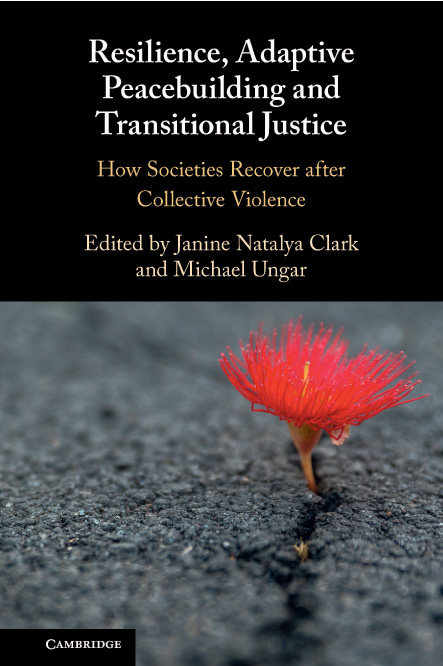
Resilience, Adaptive Peacebuilding and Transitional Justice (2021)
Processes of post-war reconstruction, peacebuilding and reconciliation are partly about fostering stability and adaptive capacity across different social systems. Nevertheless, these processes have seldom been expressly discussed within a resilience framework. Similarly, although the goals of transitional justice – among them (re)establishing the rule of law, delivering justice and aiding reconciliation – implicitly encompass a resilience element, transitional justice has not been explicitly theorised as a process for building resilience in communities and societies that have suffered large-scale violence and human rights violations. The chapters in this unique volume theoretically and empirically explore the concept of resilience in diverse societies that have experienced mass violence and human rights abuses. They analyse the extent to which transitional justice processes have – and can – contribute to resilience and how, in so doing, they can foster adaptive peacebuilding. This book is available as Open Access.
Use the buttons below to navigate through our books & special issues, book chapters and peer reviewed journal articles.

Daniel Blais is a research and evaluation associate with the Resilience Research Centre and Wisdom2Action network. With an interest in cultural sociology and a background in youth care and advocacy, Blais has an interest in program evaluation that applies mixed methods research and evidence-based practices. While completing the written requirement for an MA in Sociology (forthcoming) from York University on the topic of professionalization, Daniel has worked with the RRC-ETI and W2A on projects focusing on youth program evaluation, public policy development, opioid addictions, and youth resilience.

Oksana Tashkinova is a Research Project Manager at the Resilience Research Centre. Holding a Master of Social Work and a Ph.D. in sociological sciences, her doctoral research focused on investigating issues related to the professional training and initial employment of Ukrainian youth. Before joining the Resilience Research Centre (RRC) in August 2023, Oksana accumulated 15 years of work experience in higher education institutions in Ukraine (Priazovskyi State Technical University) and Poland (University of Warsaw and Polish Institute of Advanced Studies (PIASt). During this time, she held various scientific, pedagogical, and administrative positions, had experience as a project manager in research and social projects. Oksana also served as a trainer for educational workshops and conducted professional development courses for teachers, aiming to enhance their pedagogical skills. Oksana has been recognized as an expert by the National Agency for Quality Assurance in Higher Education in Ukraine. Additionally, she actively participated in the Council of Young Scientists at the Ministry of Education and Science of Ukraine. Oksana’s research interests cover a wide range of topics, including sociology of education, innovations in education, contemporary issues in social work, and forced migration, social and psychological support for displaced Ukrainian families, especially women and children. She has contributed to research projects in Poland and Great Britain, specializing in qualitative research methodologies with Ukrainian refugees. At Dalhousie University Resilience Research Centre, Oksana is involved in researching newcomer Ukrainian youth in Canada. Dr. Tashkinova contributes to designing qualitative methods, data collection, and analysis, with a specific focus on studying the experiences of newcomer Ukrainian youth in Canada. Beyond her professional commitments, Oksana values a balanced lifestyle. She enjoys reading for relaxation and knowledge. She’s also into running for physical well-being and has a passion for cultivating indoor plants, adding a touch of nature to her living space.
Dr. Mahnaz (Nazy) Shojaee (she/her) is a Research Project Manager at the Resilience Research Centre. She recently completed her Ph.D. program in Educational Psychology, Measurement & Evaluation at the University of Alberta. She gained two Master’s degrees in “Psychometrics” and “Child and Youth Studies” and taught Mathematics in schools for more than ten years. Pursuing her research interest in psychometrics and measurement, she published many academic peer-reviewed joint works with other scholars.

Marlee Jordan has an academic background in Criminology; she received a BA (Honours) and MA from Saint Mary’s University with the majority of her work focusing on the forensic mental health population. Her MA thesis was written on experiences in supported housing of people found Not Criminally Responsible in Halifax, N.S. Her other research interests include community-based services for people with mental health issues, addictions, and criminal justice involvement; youth education internationally, and community development. She is currently focused on gaining experience in research and program evaluation, otherwise she can be found hiking with her dogs, reading, or planning her next big trip.

Rena Vanstone is the Project Manager for the Child and Youth Refugee Research Coalition (CYRRC) at the Resilience Research Centre (RRC). She joined CYRRC in 2020 as a Project and Knowledge Mobilization Assistant and took over as Project Manager in 2023; she has been involved with the RRC since 2018. Rena supports CYRRC’s knowledge mobilization activities to make the research findings of the projects CYRRC funds accessible and useful to the people they are about, mainly newcomers to Canada and Settlement Service Providers, but also policymakers, teachers, parents, governments, etc. These activities include a podcast series called The Refuge and several infographics and executive summaries. Rena believes it is important that newcomers and the people supporting them have a voice in the research done about them and that the findings from that research are shared with them in meaningful ways. Rena received a Bachelor of Arts with Honours in Sociology from Dalhousie University and is currently working on her Master of Arts in Communication and Culture from Toronto Metropolitan University, set to graduate in 2024. Her MA thesis focuses on the intersection of immigration and Indigenous narratives. Her other research interests include arts-based research and youth resilience.
Alisha Hiscott is an accomplished Operations Manager and Senior Project Manager with a strong background in Psychology and Public Administration. With over 15 years of experience in the research field, she has established herself as a valuable asset to the Resilience Research Centre since joining in September 2022. In her role, Alisha effectively manages the day-to-day operations of the centre and leads various research and evaluation projects. Her extensive knowledge and understanding of research, combined with her passion for resilience, drive her dedication to her work. Alisha’s commitment to personal and professional growth is evident as she pursues her master’s degree in Public Administration part-time at Dalhousie University. In her spare time, she enjoys spending quality time with her fur children and indulging in reading fiction novels. With her expertise and diverse interests, Alisha continues to make significant contributions to her field.

Chase combines his creativity and technical skills to produce digestible content for websites, social media and events, while adhering to Resilience Research Center’s brand strategy. Chase Kodejs is a communications specialist with a demonstrated history of facilitating projects in the private sector with numerous firms. A keen focus and desire to learn allows Chase to continue to be up to date with latest digital trends and deliver products that are refined for the end user.
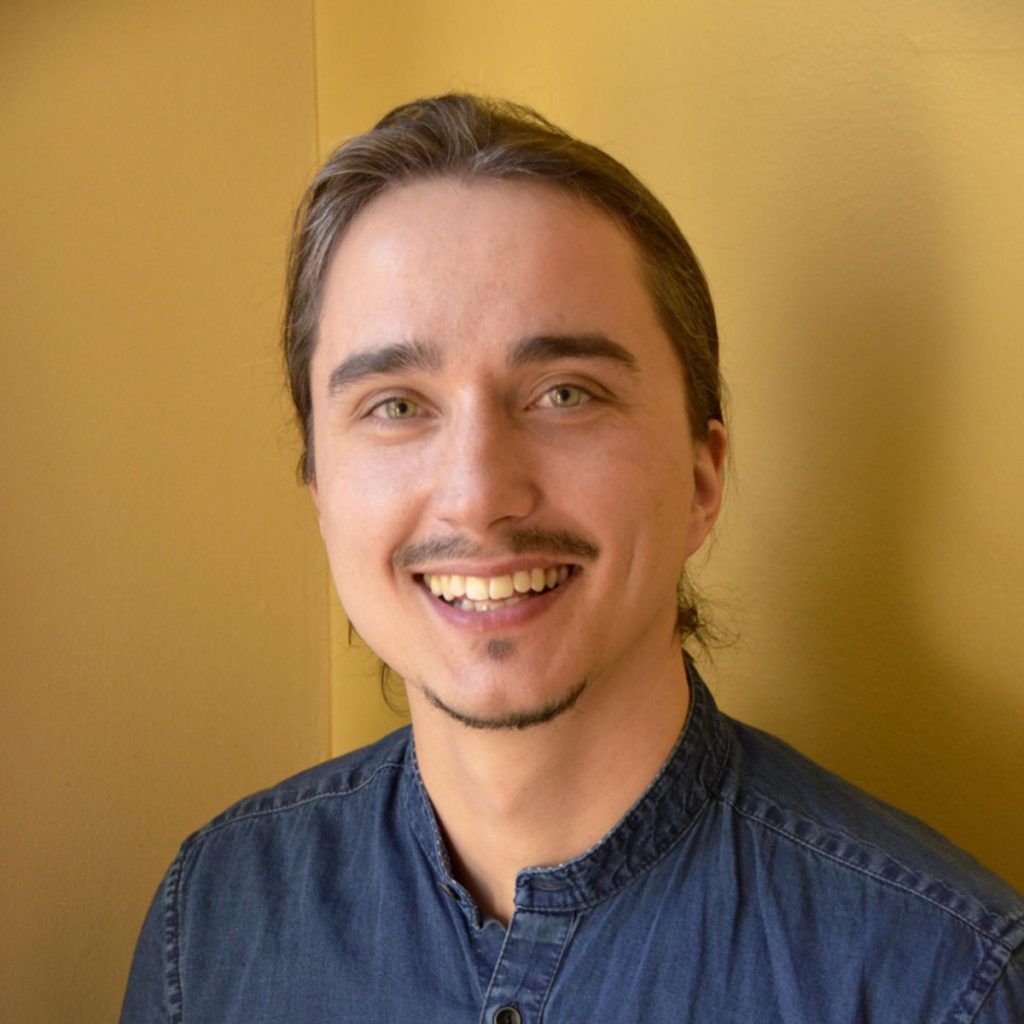
Jan Höltge is a postdoctoral research fellow at the Resilience Research Centre. Jan completed both his Bachelor in Psychology and Master in Environmental, Social and Clinical Psychology at the University of Vienna, Austria. He received his Ph.D. in Clinical and Positive Psychology at the University of Zurich, Switzerland. He has joined the Resilience Research Centre supported by the Early Postdoc.Mobility Scholarship granted by the Swiss National Science Foundation. Jan is passionately interested in how stressful circumstances can have positive effects on human life, especially resilience-enhancement, ranging from daily hassles to traumatic experiences. While taking a lifespan perspective, he has a focus on higher age, the long-term effects of early life stress and the positive effects of collective adversities on social values and behaviors. Additionally, he is interested in how the physical environment contributes to human resilience and wellbeing.
Dr. Haorui Wu is Assistant Professor of Social Work and a research fellow in the Resilience Research Center at Dalhousie University. His architecture-based interdisciplinary teaching, research, and emerging practice examine post-disaster reconstruction, recovery, and rehabilitation initiatives through the lens of environmental and social justice. He seeks to employ community-engaged planning and architectural strategies to strengthen built environment social missions, build social capital, enhance overall well-being, and advance community resilience in the context of global climate change, disaster, and other world crises. His research consists of (1) empowering local residents’ (especially the vulnerable and marginalized groups) leadership and supporting holistic well-being by advancing non-discriminatory civic engagement in community-based planning and architecture design; and (2) enhancing the humanitarian quality of post-disaster built environment to support community resilience and sustainability.

Anam is a Research Project Manager at the Resilience Research Centre. She has a master’s degree in psychology and is a PhD in Health candidate at the School of Social Work, Dalhousie University. Her PhD thesis aims to develop a sociological understanding of resilience to self-harm across cultures by examining two countries, Canada and India. Being involved with the RRC since September 2020 in different capacities, her current role primarily includes project management and qualitative data analysis of the YTS study. Anam also supports other projects and is keen to collaborate with the great team of researchers at the centre through various research outputs. Anam has about 5 years of research experience, having worked as a researcher on multiple projects with organizations such as IIT Hyderabad, NCERT and Project CACA in India, the Healthy Populations Institute, and the Department of Community Health and Epidemiology at Dalhousie, as well as Engage NS. Anam has expertise in both quantitative and qualitative research methods and is experimenting with arts-based methods for her thesis. She has been deeply involved in research by writing and presenting papers on themes around resilience and mental health at various national and international conferences. Additionally, Anam is a part-time Instructor at the Department of Psychology and the Department of Family Studies & Gerontology at Mount Saint Vincent University. Through these involvements, she is constantly building her academic career through research and teaching. Her multiple commitments do not stop her from pursuing her passion for art. She is a visual artist and has showcased her artistic creations at various local events in India and Canada. In her free time, you can find her hiking around Nova Scotia and capturing beautiful landscapes through painting and photography.

Margherita joined the Resilience Research Centre as a Killam Postdoctoral Fellow and the Project Manager for the RYSE project. Following her Bachelor’s and Master’s degree in Clinical Psychology from the University of Rome La Sapienza (Italy), Margherita received her Ph.D. in Applied Health Sciences at the University of Manitoba (Canada). The overarching goal of Margherita’s program of research is to improve the health and wellbeing of vulnerable, marginalized and underserved children, families and communities nationally and internationally by fostering their resilience to adversity. So far, her research has focused on various vulnerable populations, including families who experience intimate partner violence, Indigenous peoples and persons with disabilities. Margherita’s research expertise includes both quantitative and qualitative research approaches, as well as mixed methods research approaches.

Simone Chia-Kangata joined the CYRRC as Project Manager in May 2017. Simone brings expertise in research and evaluation, project design, implementation and management, business management, knowledge mobilization and marketing. Simone has a Master’s degree in Public Policy and Public Administration from Concordia University and a Bachelor’s degree in International Development Studies from McGill University. She has worked in the public sector and NGO sector in Ottawa, the UK, Kenya, Somaliland and Nova Scotia.

Aishwarya Radhakrishnan is a Research Project Manager at the Resilience Research Centre. She holds a Master of Arts in Health Promotion from Dalhousie University and her thesis focused on the working conditions and experiences of midwives in Nova Scotia. She also holds a Bachelor of Arts in Psychology and Criminology from St. Thomas University. Aishwarya has been involved with the RRC since September 2023, and her duties involve performing communication, administrative, and research-related tasks. Aishwarya also helps manage the knowledge mobilization efforts of the RRC and provides necessary support to various projects.
Aishwarya’s research interests include reproductive and maternal health, structural and systemic inequities in healthcare, and access to healthcare services. She has previously worked as the Administrative Assistant for the Wabanaki-Labrador Atlantic Indigenous Mentorship Network, the Program Assistant for Dalhousie University’s BIPOC Mentoring Academy, and as a Research Assistant for the Atlantic COAST Study. In her free time, she enjoys reading, baking, and going on runs!
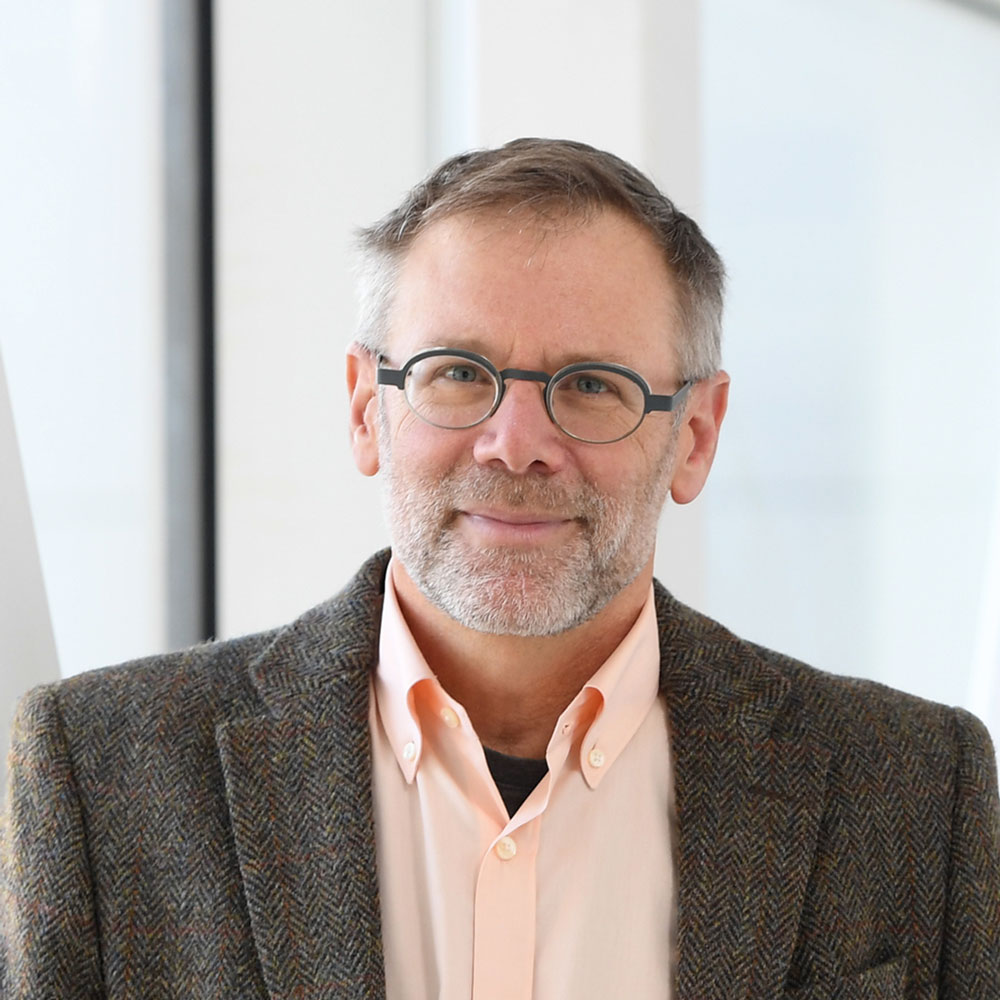
Michael Ungar, Ph.D. is the founder and Director of the Resilience Research Centre at Dalhousie University where he holds the Canada Research Chair in Child, Family and Community Resilience. In 2022, Dr. Ungar was ranked the number one Social Work scholar in the world in recognition of his ground-breaking work as a family therapist and resilience researcher. That work has influenced the way human development and organizational processes are understood and studied globally, with much of Dr. Ungar’s clinical work and scholarship focused on the resilience of marginalized children and families, and adult populations experiencing mental health challenges at home and in the workplace. In addition to providing consultation to international NGOs like the Red Cross and Save the Children, government agencies in more than a dozen low, middle, and high income countries, and educational institutions at all levels of study, Dr. Ungar’s research has also influenced the HR and corporate social responsibility initiatives of Fortune 500 companies like Unilever, DHL and Cigna.
Dr. Ungar’s work emphasizes how to use the theory of resilience to increase both individual and institutional agility during crises, with numerous organizations having adopted his concept of resilience as a negotiated process that enhances wellbeing and social responsibility. He is the author of over 250 peer reviewed articles and book chapters and 17 books. His blog, Nurturing Resilience, can be read on Psychology Today’s website.
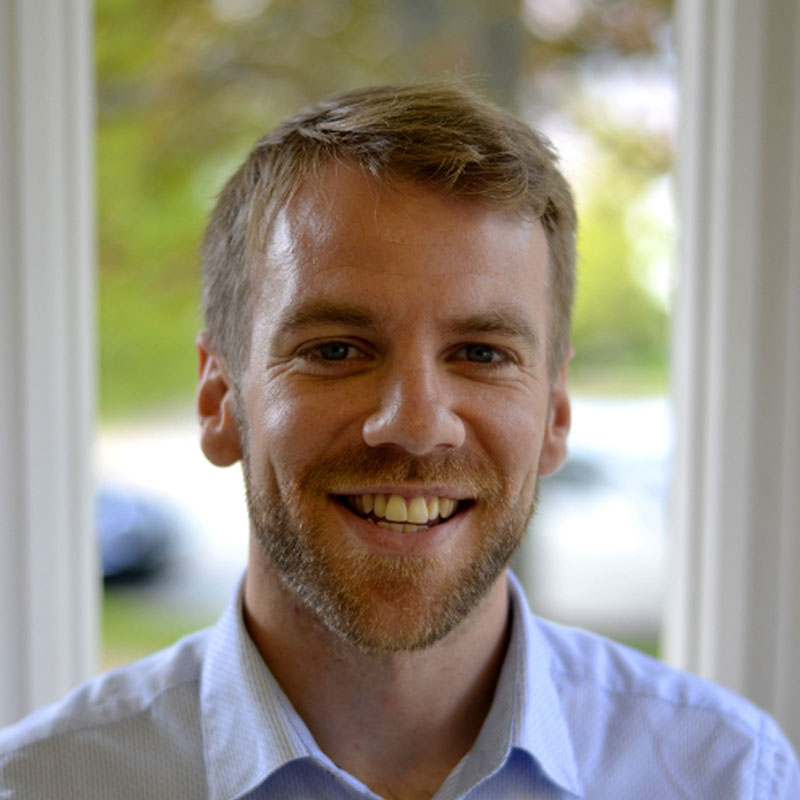
Philip is a Senior Research Fellow at the Resilience Research Centre. His background is in health psychology and his research involves both quantitative and qualitative investigations of resilience-related processes in young adults. He is interested in exploring links between protective factors implicated in resilience and positive aspects of mental health and wellbeing. Phil was awarded his PhD from Dublin City University and worked for the University of the South Pacific in Fiji before joining the RRC in 2017. He had interests and hobbies but currently has two overactive children.
Research profiles:
Notable articles:
Recent podcast: